
What Is an Inch?
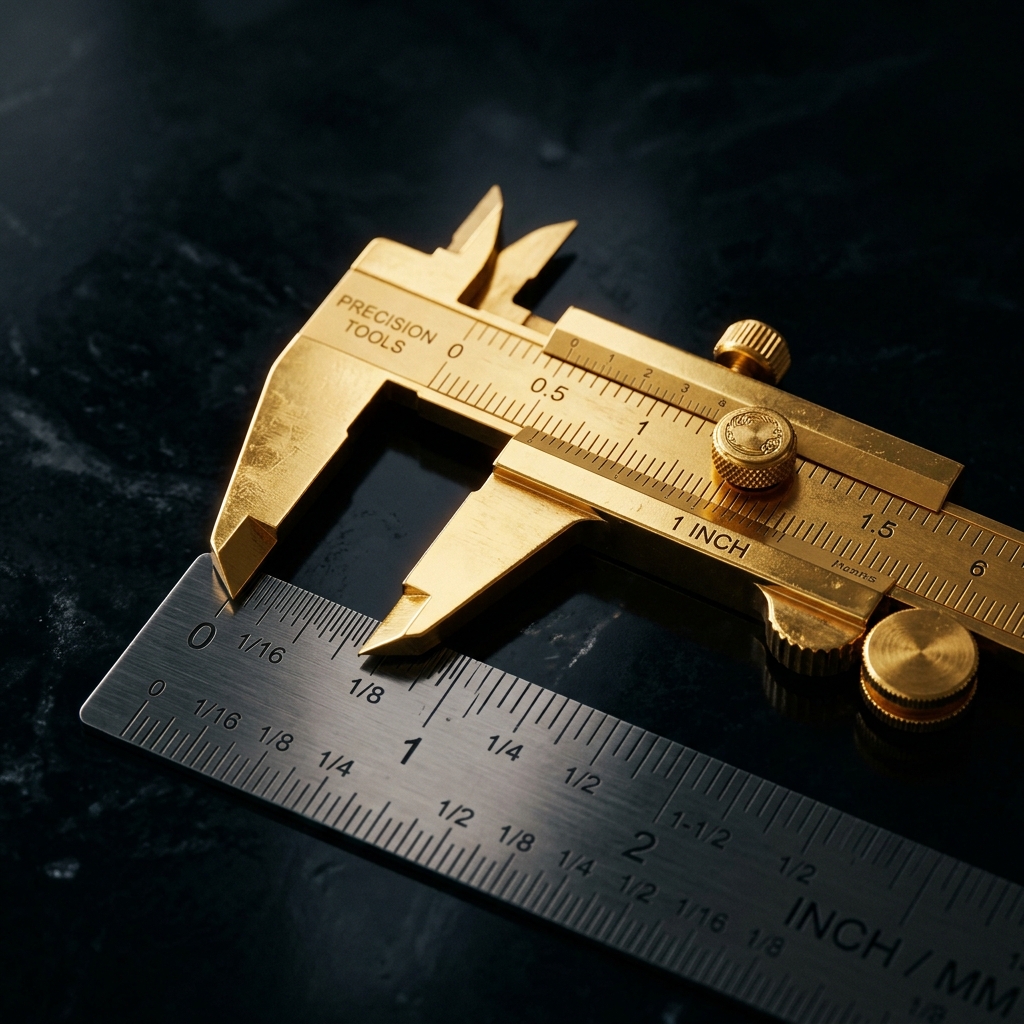
An inch is a unit of length in the imperial measurement unit system and the US customary system. One inch equals exactly 2.54 centimeters, 25.4 millimeters, or one twelfth of a foot.
Inches appear in height, screens, paper sizes, tools, clothing, home construction, product dimensions, and sports measurements. If you know how the inch works, you can move between feet, inches, centimeters, meters, and yards without guessing.
This guide explains the inch definition, how long an inch is, how inch measurement works on rulers and tape measures, and how inches connect to the rest of the measurement systems used for height and length.
What Is an Inch? Quick Definition
An inch is a length unit equal to exactly 2.54 centimeters.
The abbreviation is in. The symbol is the double-prime mark, written like this: ". A 12-inch measurement can appear as 12 in or 12".
Inch Definition and Exact Equivalents
The modern inch has a fixed definition. It does not change by country, trade, tool, or industry. Since 1959, the international inch has equaled exactly 25.4 millimeters. That equals exactly 2.54 centimeters.
| Unit | Equivalent | Use |
|---|---|---|
| 1 inch | 2.54 centimeters | Exact international definition |
| 1 inch | 25.4 millimeters | Exact metric equivalent |
| 1 inch | 0.083333 feet | One twelfth of a foot |
| 1 inch | 0.027778 yards | One thirty-sixth of a yard |
| 1 inch | 0.0254 meters | Useful for SI conversion |
The most important relationship is simple: 1 inch = 2.54 cm. Every inches-to-centimeters formula, height conversion chart, and inch measurement calculator uses that value.
How Long Is an Inch?
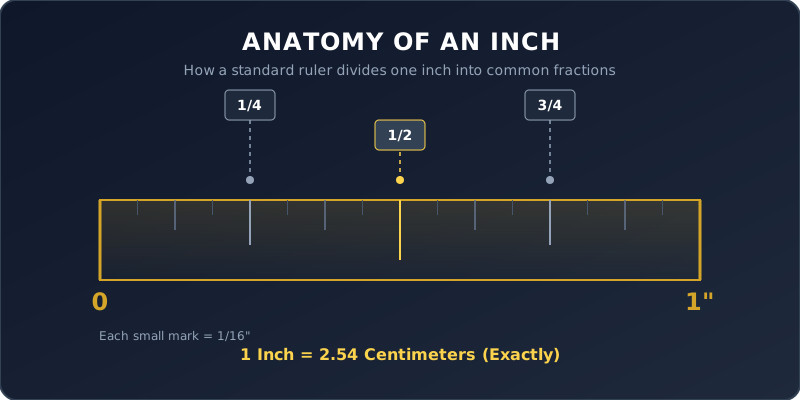
An inch is about the width of a large adult thumb at the first knuckle, though body-based comparisons only work as estimates. For exact measurement, use a ruler or tape measure. On a standard ruler, the numbered marks show whole inches. The smaller marks divide each inch into halves, quarters, eighths, or sixteenths.
The table below shows common ruler divisions. These fractions matter because inches often appear as fractional values in carpentry, sewing, hardware, and home measurement.
| Fraction | Decimal Inches | Millimeters | Common Use |
|---|---|---|---|
| 1/16 inch | 0.0625 in | 1.5875 mm | Fine ruler marks |
| 1/8 inch | 0.125 in | 3.175 mm | Common craft and tape marks |
| 1/4 inch | 0.25 in | 6.35 mm | Hardware and sewing |
| 1/2 inch | 0.5 in | 12.7 mm | Product dimensions |
| 1 inch | 1.0 in | 25.4 mm | Standard inch length |
Inches Unit of Measurement in the Imperial System
The inch belongs to the imperial and US customary measurement systems. It sits below the foot and yard. Twelve inches make one foot. Three feet make one yard. In everyday US measurement, inches handle short lengths and the leftover part of a height.
A height such as 5'10" means 5 feet plus 10 inches. To convert that height into total inches, multiply the feet by 12 and add the inch value.
Formula: total inches = (feet x 12) + inches
Example: 5'10" = (5 x 12) + 10 = 70 inches
Total inches make height conversion easier because you work with one unit. Use the feet to inches calculator when you need to flatten a feet-and-inches height before converting it to centimeters or meters.
How Inches Convert to CM, Feet, Yards, and Meters
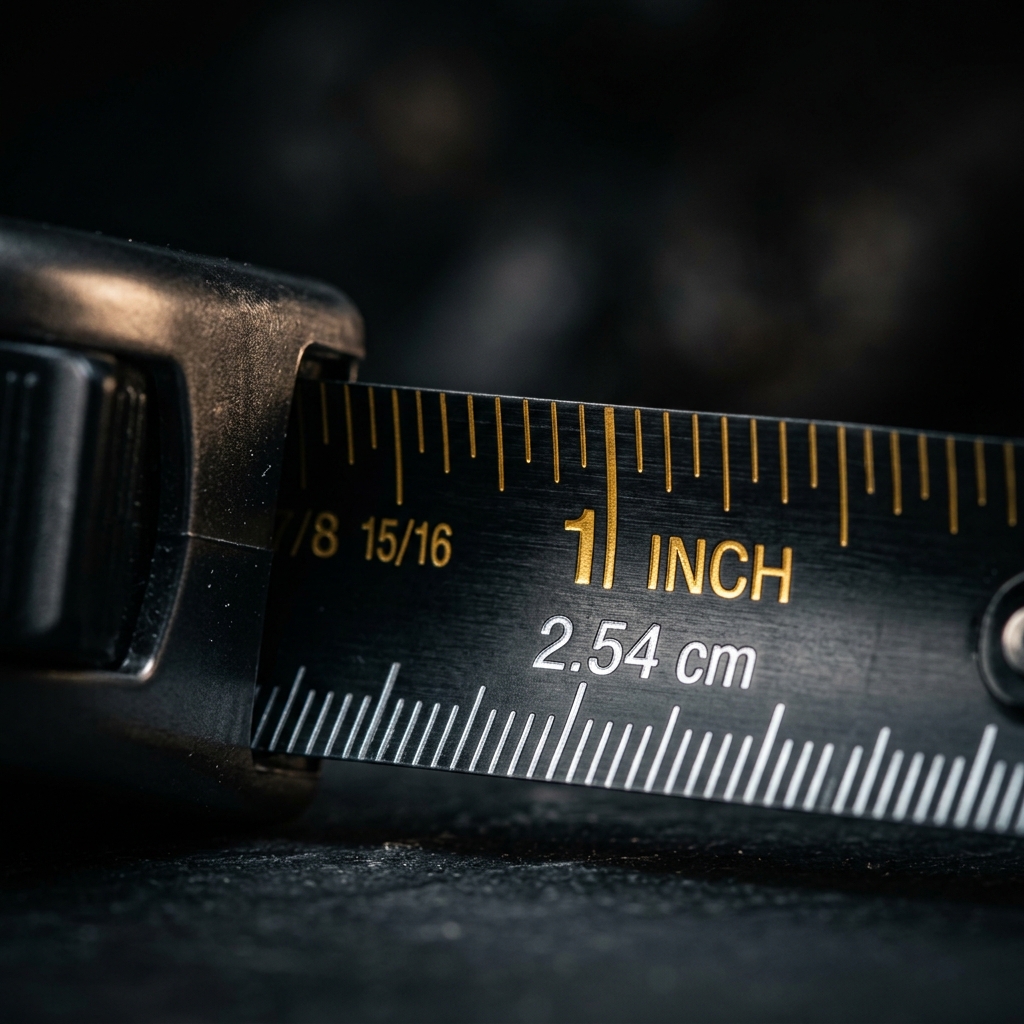
Inch conversion depends on whether you move to a metric unit or another imperial unit. The most common formulas are:
- Inches to centimeters: inches x 2.54 = cm
- Centimeters to inches: cm / 2.54 = inches
- Inches to feet: inches / 12 = feet
- Feet to inches: feet x 12 = inches
- Inches to meters: inches x 0.0254 = meters
Example: 70 inches x 2.54 = 177.8 cm. The same value in meters is 70 x 0.0254 = 1.778 m.
For a full breakdown of these formulas, read the Height Conversion Math guide or the Height Conversion Guide.
Everyday Inch Measurement Examples
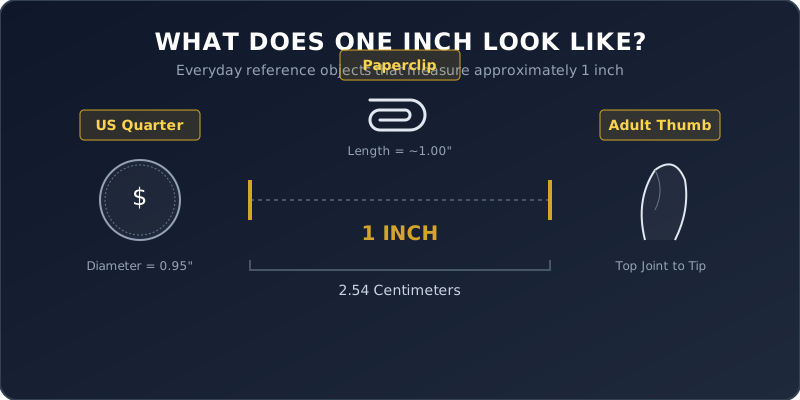
Real objects help make inches explained in practical terms. The values below give you useful reference points for visualizing inch measurement.
| Example | Inches | Metric Equivalent |
|---|---|---|
| US quarter diameter | 0.955 inches | 24.26 mm |
| US dollar bill length | 6.14 inches | 15.6 cm |
| US letter paper | 8.5 x 11 inches | 21.59 x 27.94 cm |
| Standard US interior door height | 80 inches | 203.2 cm |
| 5 feet 10 inches | 70 inches | 177.8 cm |
Where Inches Are Used
Inches remain common in the United States and in several global product categories. You will see inches in these places:
Height and body measurements
US height uses feet and inches. Clothing measurements often use inches for waist, inseam, chest, sleeve, and neck sizes. Medical forms in the US may ask for total inches or feet and inches.
Screens and devices
TVs, monitors, laptops, tablets, and phones often list screen size by diagonal inches. A 27-inch monitor measures 27 inches from one screen corner to the opposite corner.
Tools, construction, and product dimensions
Wrenches, screws, lumber, pipe fittings, furniture, and packaging often use inch values in US markets. Many metric countries still encounter inches through imported products, screen sizes, bicycle parts, and audio gear.
How the Inch Became Standard
The word inch comes from the Latin uncia, meaning one twelfth. The idea fits the old relationship between an inch and a foot: one foot contains 12 inches. For centuries, inch values varied by region because people tied units to local standards, rulers, trade tools, or body-based references.
Modern trade needed one stable value. The 1959 International Yard and Pound Agreement fixed the yard at exactly 0.9144 meters. Since a yard has 36 inches, one inch became exactly 0.0254 meters, or 2.54 centimeters.
For more context, see How Height Standards Evolved Over Time. That guide covers the path from body-based units to modern international definitions.
Common Mistakes With Inches
Mixing up feet and inch symbols
A single prime mark means feet. A double-prime mark means inches. The height 5'10" means 5 feet and 10 inches. Writing 5"10' reverses the symbols and creates an invalid height notation.
Treating decimal feet as feet and inches
Decimal feet and feet-and-inches notation use different logic. A value of 5.5 feet equals 5 feet 6 inches, because 0.5 foot equals 6 inches. It does not mean 5 feet 5 inches.
Using 2.5 cm as an exact inch
The shortcut 1 inch is about 2.5 cm works for rough mental estimates. Use 2.54 for forms, charts, calculators, medical records, and any length conversion that needs a reliable result.
Related Inch and Height Resources
Use these supporting resources to keep moving through the measurement-systems silo and related conversion tools.
Supporting guides
Relevant calculators
Frequently Asked Questions
What is an inch?
An inch is a unit of length in the imperial and US customary systems. One inch equals exactly 2.54 centimeters or 25.4 millimeters.
How long is an inch?
An inch is 2.54 cm long. On a standard ruler, it is the distance between two numbered inch marks.
What is the symbol for inch?
The standard abbreviation is in. The double-prime mark is also used, so 12 inches can be written as 12 in or 12".
How many inches are in a foot?
There are exactly 12 inches in one foot. A height of 5 feet 10 inches equals 70 total inches.
Is an inch bigger than a centimeter?
Yes. One inch equals 2.54 centimeters, so an inch is a little more than two and a half centimeters.
Why does one inch equal 2.54 cm?
The international inch was standardized through the 1959 International Yard and Pound Agreement, which fixed the yard at 0.9144 meters. That made one inch exactly 2.54 cm.
Where are inches used?
Inches are used in the United States for height, screen sizes, clothing, tools, construction details, and many product dimensions. Some global industries also use inch-based sizes.
How do you convert inches to centimeters?
Multiply inches by 2.54. For example, 70 inches x 2.54 = 177.8 centimeters.
What Is an Inch?
What Is an Inch? It is a fixed unit of length equal to exactly 2.54 centimeters. It belongs to the imperial and US customary systems, sits one level below the foot, and appears in height, screens, clothing, tools, construction, and product dimensions.
Remember three anchor facts: 12 inches make 1 foot, 1 inch equals 2.54 cm, and total inches make height conversion easier. From there, you can read any inch measurement, convert it, and choose the right unit for the audience or form in front of you.